BOOK FREE HOME COLLECTION
Showing 19–26 of 26 results
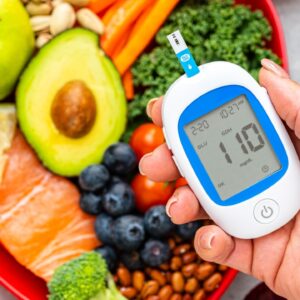
Test Name: RBS – Random Blood Sugar (Glucose Random)
Clinical Significance:
The Random Blood Sugar test measures glucose concentration in blood at a random time of the day, irrespective of the last meal. It is commonly used for screening and monitoring diabetes mellitus and for evaluation of patients with acute symptoms of hyperglycemia or hypoglycemia.
Reference Ranges (may vary by lab):
Normal: 70 – 140 mg/dL (depending on last meal timing)
Borderline: 141 – 199 mg/dL
Diabetes: ≥200 mg/dL with classic symptoms of diabetes
Indications:
Screening of undiagnosed diabetes
Monitoring of known diabetic patients
Evaluation of emergency cases with hyperglycemia or hypoglycemia
Routine health check-up
Preparation:
No fasting required.
Sample can be taken at any time of the day.
Profile Name: Comprehensive Diabetes, Thyroid & Organ Health Panel
Test Components & Significance:
CBC & ESR: Evaluates overall blood health, infections, and inflammation.
Fasting Blood Sugar (FBS) & HbA1c: Screening and monitoring of diabetes; HbA1c reflects 2–3 months average glycemia.
Liver Function Test (LFT): Assesses hepatic function, bilirubin metabolism, and drug-induced liver injury.
Kidney Function Test (KFT/RFT): Evaluates renal clearance, electrolyte balance, and detects nephropathy.
Lipid Profile: Measures cholesterol & triglycerides for cardiovascular risk stratification.
Urine Complete (Routine & Microscopy): Detects urinary tract infection, proteinuria, hematuria, and renal abnormalities.
Thyroid Profile (T3, T4, TSH): Assesses thyroid gland function, useful in hypo/hyperthyroidism diagnosis.
Indications:
Annual health check-up
Screening for diabetes, dyslipidemia, thyroid disorders
Monitoring of hepatic and renal function
Early detection of lifestyle-related diseases
Preparation:
8–10 hours fasting required
Water permitted
Avoid heavy exercise or alcohol before testing
Turnaround Time:
Reports available within 24 hours (fast reporting).